
Air Quality Monitoring
DustScanAQ installs, operates, and manages a wide range of air quality monitoring equipment, offering project-specific data management solutions. Our expert services ensure real-time monitoring and in-depth analysis to support your environmental management and compliance efforts.
Range of Air Quality Monitoring Equipment
At DustScanAQ, we provide comprehensive air quality monitoring solutions, utilising the latest technology for continuous environmental monitoring. We work with clients to deploy the most appropriate equipment for their specific needs, whether that’s for short-term or long-term air quality monitoring.
Our expertise spans a broad range of monitoring tools, from passive diffusion tube sampling to advanced automatic air quality stations that deliver continuous air quality monitoring. We specialise in both simple desktop-based solutions and high-level, cloud-based data-driven technologies.
Our data management expertise includes quality control, data visualisation, interpretation, and reporting. This ensures clients can make informed decisions based on real-time data from their dust monitoring systems and particulate matter monitoring systems.
By providing ongoing monitoring, we help businesses develop bespoke, data-driven environmental management systems and alert mechanisms to ensure compliance with air quality standards.

John Bruce
(PhD, BSc, MIAQM, MIEnvSc)
Principal Consultant
Discuss Your Air Quality Monitoring Requirements with Our Principal Consultant
If you’re looking to discuss your air quality monitoring needs, our Principal Consultant is available for an initial consultation. We’ll discuss your specific requirements and help you choose the most suitable monitoring equipment and solutions for your project.
Get in touch with us today by calling +44 (0)1608 810110 or emailing John using the button below. We’re here to assist with all your air quality management needs.
DustScan Cloud: Real-Time Air Quality Monitoring
The DustScan Cloud offers a real-time air quality monitoring service, using data management platforms from a variety of monitor manufacturers. Our service enables clients to monitor PM1, PM2.5, and PM10 particulate matter concentrations in micrograms per cubic metre (µg/m³) in real-time.
Our real-time air quality monitoring system can be designed to run off-grid with low electricity consumption, often powered by solar panels. Data is transmitted to the cloud and can be easily managed through an internet interface or integrated with other data management software.
Equipment we supply meets the specific criteria for PM10 monitoring along fence-lines, as outlined in the following guidelines:
- HS2 Code of Construction Practice
- Greater London Authority’s Supplementary Planning Guidance ‘The Control of Dust and Emissions during Construction and Demolition’
- Institute of Air Quality Management ‘Guidance on Monitoring in the Vicinity of Demolition and Construction Sites’
The DustScan Cloud offers a real-time air quality monitoring service, using data management platforms from a variety of monitor manufacturers. Our service enables clients to monitor PM1, PM2.5, and PM10 particulate matter concentrations in micrograms per cubic metre (µg/m³) in real-time.
Our real-time air quality monitoring system can be designed to run off-grid with low electricity consumption, often powered by solar panels. Data is transmitted to the cloud and can be easily managed through an internet interface or integrated with other data management software.
Equipment we supply meets the specific criteria for PM10 monitoring along fence-lines, as outlined in the following guidelines:
- HS2 Code of Construction Practice
- Greater London Authority’s Supplementary Planning Guidance ‘The Control of Dust and Emissions during Construction and Demolition’
- Institute of Air Quality Management ‘Guidance on Monitoring in the Vicinity of Demolition and Construction Sites’
Why equipment selection matters
DustScanAQ is one of very few UK companies dedicated solely to dust measurement, with over 20 years’ experience in the field – experience that shapes every monitoring solution we specify.
Since the rapid growth in Low-Cost Sensors carrying MCERTS Indicative certification for PM10, we have found that a number of these instruments – commonly costing several thousand pounds – can significantly under-read PM10 in high-dust environments. This typically happens because optical sensors are calibrated against fine urban/ambient aerosol, not the coarser particle sizes and higher concentrations found at fenceline locations on quarries and at construction, industrial, and waste sites – potentially impacting nearby receptors.
The risk this creates is practical rather than theoretical. If your monitoring under-reads dust levels, you may believe – wrongly – that you are operating within permit or nuisance limits, when in fact you are not. That can leave you unable to demonstrate control of emissions, and exposed to enforcement action, even where the failure was unintentional and caused by the instrument rather than the operation itself.
For consultants within the IAQM and IES, specifying or relying on a sensor that isn’t fit for purpose in a given environment will be in breach of the Institute’s requirement that members ‘have full regard for the public interest at all times’.
This is why the equipment we supply is chosen with real-world performance in mind, not just certification on paper. We evaluate low-cost and indicative sensors by co-locating them at a quarry site where the dust sources and concentration ranges are well characterised. This lets us assess how any given sensor actually performs against real, high-concentration dust sources, and not just against the conditions used for its original calibration and certification.
Get in touch
If you’d like advice on a monitoring solution suited to your site, or an independent field evaluation of an instrument you’re using or considering, please get in touch.
We will talk to you in confidence about the monitoring solution in question, if you are in a situation where you are not sure whether you are in compliance or not. We are experienced in advising clients on ‘best practicable means’ and getting measurement fleets into compliance.
Case Studies
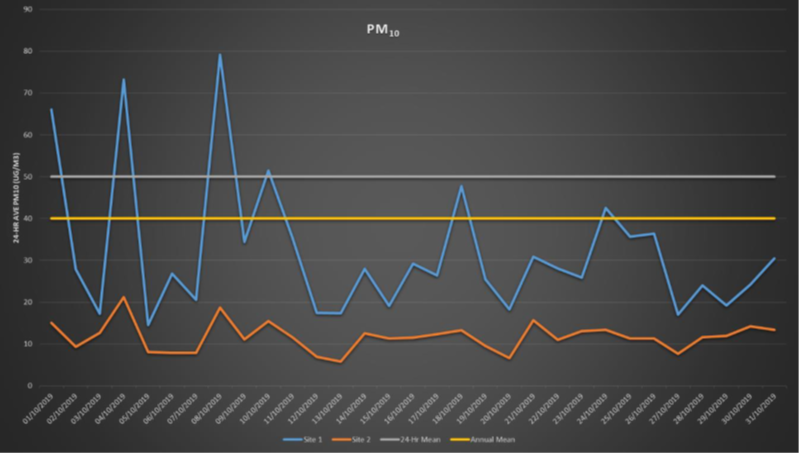
Air Quality Monitoring Case Study, London
Real-time PM monitoring in the London Borough of Camden
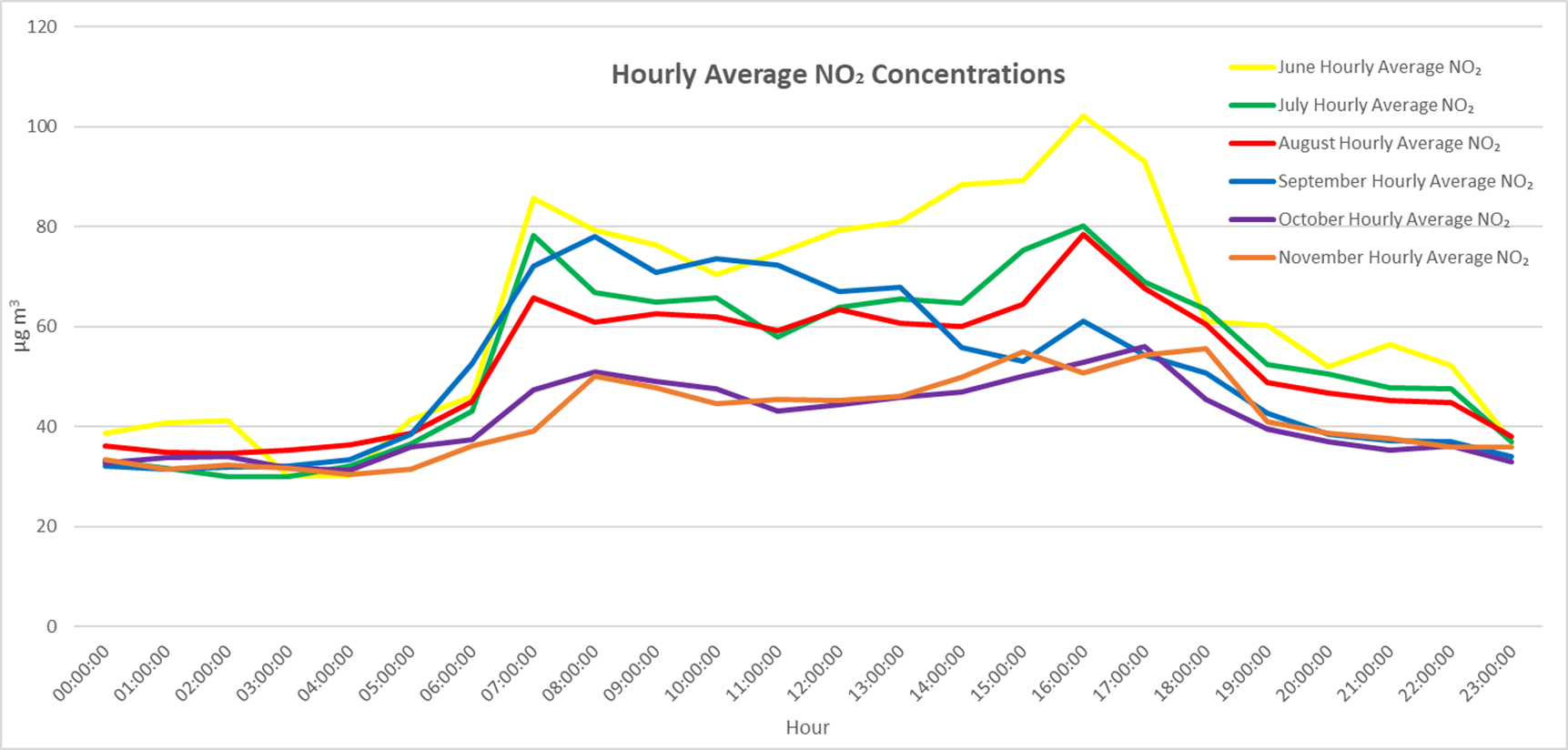
Air Quality Monitoring Case Study, Lancaster
Real-time NO2 and PM monitoring at Lancaster University
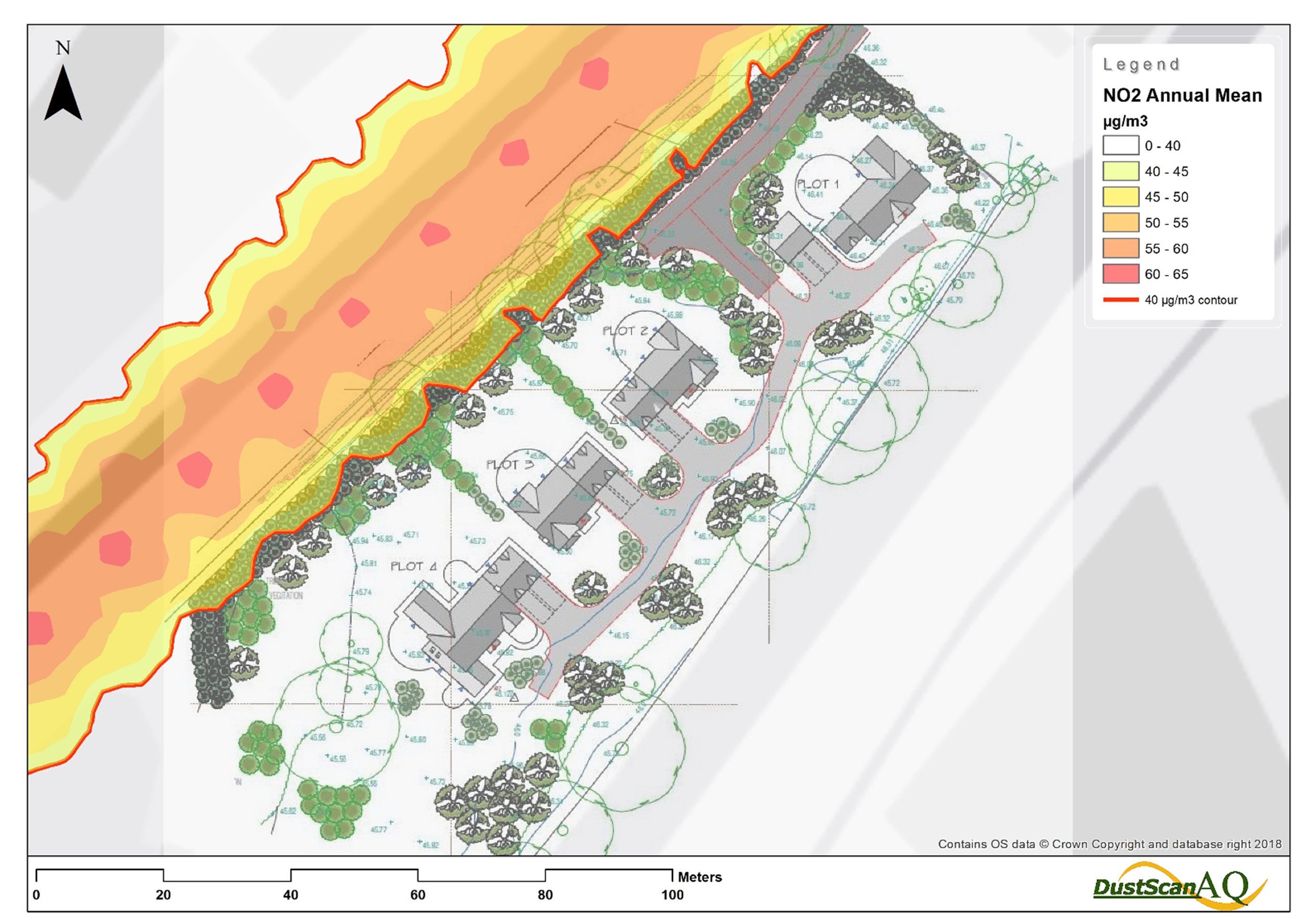
Air Quality Residential Feasibility Assessment Case Study
Dispersion modelling of road traffic emissions for a residential development
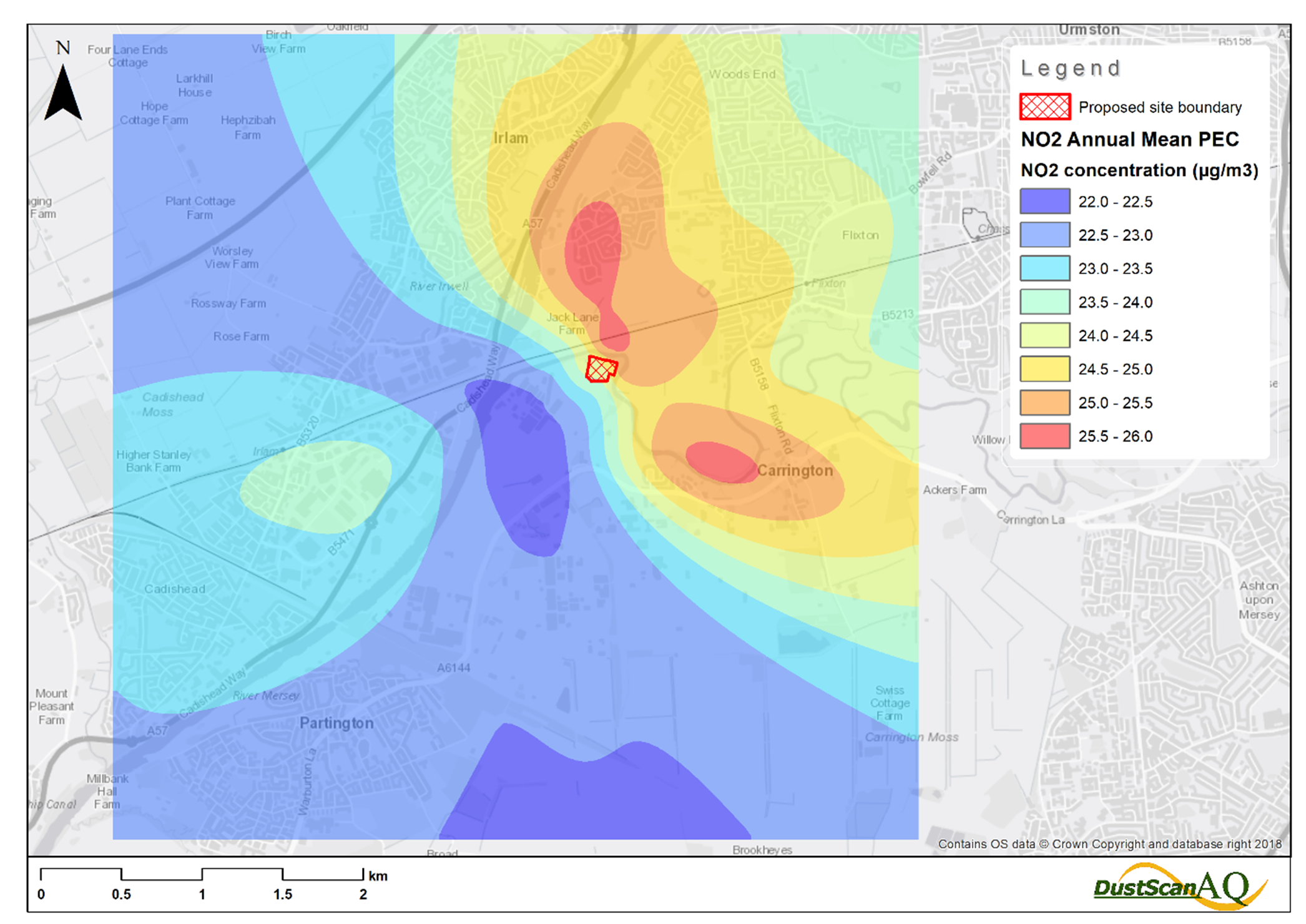
Air Quality Modelling Assessment Case Study
Dispersion modelling of air quality emissions from a proposed energy facility in Greater Manchester
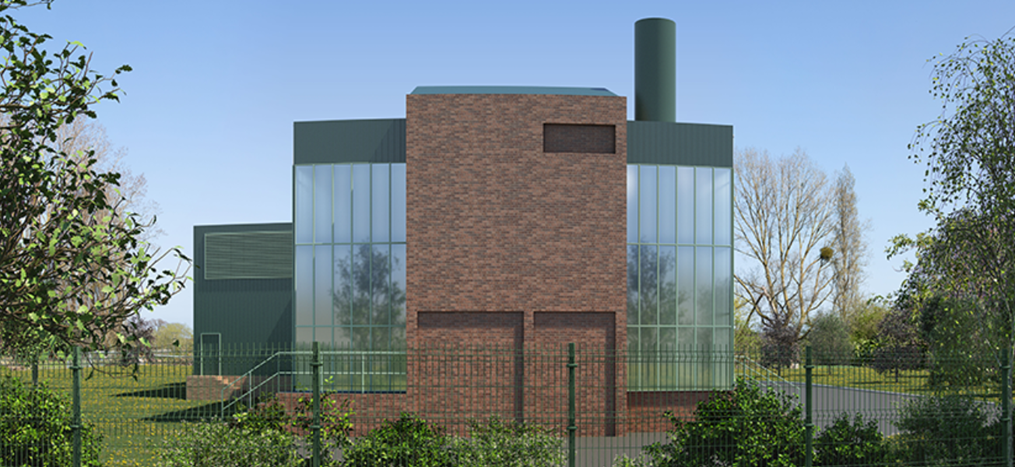
Air Quality Assessment Case Study
Due diligence work regarding emissions from a waste incinerator in the Malvern Hills

The business was formed in 2004

We are employee owned
Over 145,000 samples analysed